
Pier-and-Beam vs. Slab-on-Grade: What Texas Homeowners Should Know
Two foundation types, two very different behaviors in North Texas clay. Here is how they compare.
By Michael D. Gandy, P.E. · Lighthouse Engineering
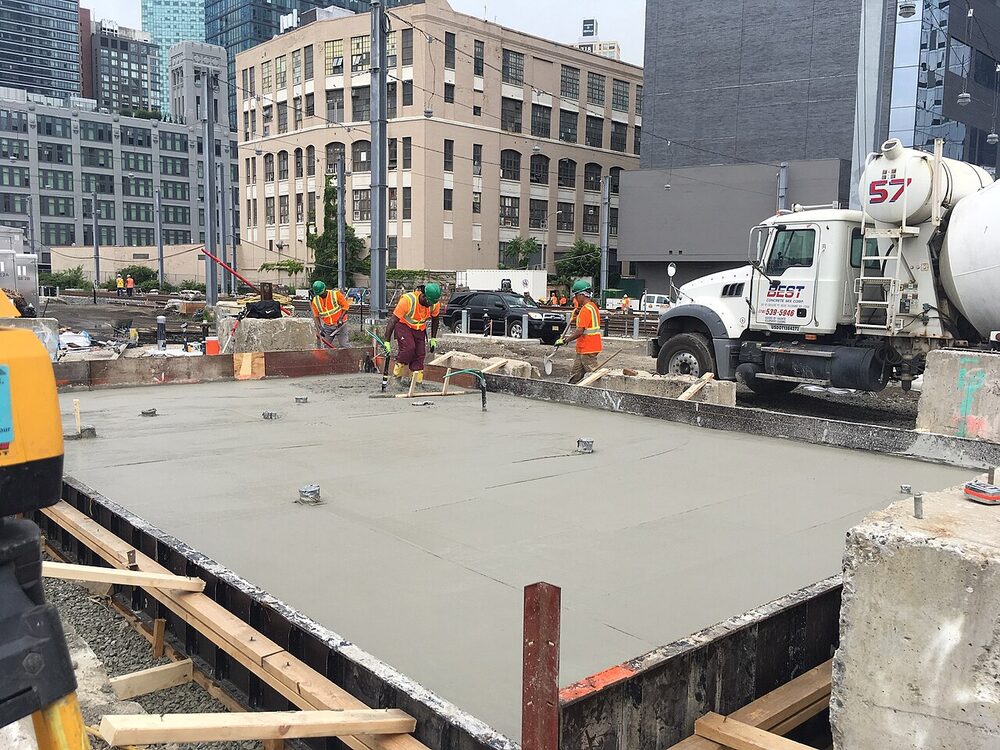
MTA Capital Construction Mega Projects — CC BY 2.0 (Wikimedia Commons)
Most Texas homes sit on one of two foundation systems, and they age in distinctly different ways. Knowing which one you have changes how you read the warning signs — and what a repair looks like.
Slab-on-Grade
A slab is a single pour of reinforced concrete cast directly on the soil. It is economical and common, but it moves with the ground beneath it. When expansive clay swells and shrinks unevenly, the slab flexes, and that is where cracks and uneven floors begin.
Pier-and-Beam
A pier-and-beam home sits on a structure of beams supported by piers, with a crawl space underneath. It is generally easier to access, adjust, and repair, since the supports can be shimmed or added to — but the wood framing and the crawl space bring their own moisture and leveling considerations.
Which Moves More?
Neither is immune to North Texas soil; they simply express movement differently. The right response depends on the system, the soil, and the actual measurements — which is why we always start with a foundation inspection before discussing whether you are looking at a repair or a replacement.
Have a question about your property? Talk to our engineers.
Request a Consultation